
Oura Ring vs Whoop: Which Tracker Is Worth Your Money?
The bottom line: Oura Ring 5 vs Whoop comes down to ownership versus subscription. Oura (typically $400–$500 plus ~$72/year membership) is a ring you buy once — best for sleep insight and most giftable. Whoop (~$240/year, device included) is the deeper training tool for athletes who train four-plus days a week. Over three years the cost is similar: roughly $620–$720 either way.
What is the difference between Oura and Whoop?
Oura Ring 5
Typically $400–$500 (membership ~$72/yr after the first month)
The Oura Ring 5, launched in 2026, is a titanium smart ring that tracks sleep stages, heart rate variability, resting heart rate, body temperature, and daily activity — no screen, no vibration alerts, just a ring. Reviewers consistently call it "the best consumer sleep tracker available," and it syncs with Apple Health, Google Health Connect, and Strava. The catch: a membership (roughly $72/year) unlocks the full insight suite, so the real cost is higher than the sticker price.
Whoop Membership
Typically ~$240/year (device itself ~$0 with membership)
Whoop's latest band is a screenless wrist-worn sensor that lives on your body 24/7 and boils your day down to three numbers: sleep, recovery, and strain. Reviewers praise the depth of its recovery and cardiovascular-load metrics, and users report the behavior-change nudges — like seeing a high strain day tank the next morning's recovery score — are "genuinely motivating." The trade-off is the subscription: stop paying and the hardware becomes useless, which makes it a weaker gift but an easy self-purchase.
The two at a glance:
| Oura Ring 5 | Whoop Membership | |
|---|---|---|
| Form factor | Titanium ring, no screen | Screenless wrist band |
| Price model | Buy the ring (~$400–$500) + optional ~$72/year membership | ~$240/year, device included |
| 3-year total cost | ~$620–$720 (you keep the ring) | ~$720 (nothing if you cancel) |
| Emphasis | Sleep staging, readiness, women's health | Strain, recovery, training load |
| App feel | Health journal: scores, trends, education | Coach's dashboard: strain targets, habit correlations |
| Best for | Sleep insight, gifting, watch-wearers | Athletes training 4+ days a week |
Oura vs Whoop: how do they compare?
Form factor. A ring vs. a wrist band is not a trivial difference. The Oura Ring 5 disappears onto your finger — you can wear a real watch, a dress watch, or nothing else with it. Whoop occupies your wrist, which matters if you already wear a watch you love or find bands uncomfortable to sleep in.
Business model. This is the real dividing line. Oura is closer to a purchase: you buy the ring once, and while the membership adds value, the ring still collects basic data without it. Whoop is a pure subscription: the device is free, the service is ~$240/year, and there's no hardware without the plan. Over three years, Whoop costs roughly $720 all-in; Oura Ring 5 costs the ring plus three years of membership — still noticeably less.
What they emphasize. Oura leads with sleep and readiness: detailed sleep staging, chronotype insight, and women's health features like cycle prediction that reviewers rate highly. Whoop leads with training: a strain score for every workout, recovery scored against how hard you pushed, and deep HRV and resting-heart-rate trends tuned for athletes. Both track sleep and recovery; they just weight them differently.
The app experience. Oura's app feels like a health journal — scores, trends, and educational content about your sleep and readiness, with a calm, glanceable design. Whoop's app feels like a coach's dashboard — strain targets, recovery percentages, and a journal feature that correlates your habits (alcohol, late meals, screen time) with next-day recovery. Reviewers note Whoop's behavior-change loop is stronger for athletes, while Oura's is more approachable for general wellness.
Price over three years. This is where the models really diverge. Whoop at ~$240/year costs roughly $720 over three years, with nothing to show for it if you cancel. Oura Ring 5 at ~$400–$500 plus ~$72/year membership lands around $620–$720 over three years — similar, but you keep a working ring (with basic features) if you drop the membership. Neither is cheap; the difference is whether you prefer owning hardware or renting a service.
Accuracy consensus. Reviewers generally give Oura the edge on sleep-stage tracking and resting measurements, while Whoop earns praise for all-day cardiovascular load and workout strain accuracy. Neither is a medical device, and both are meaningfully better than a generic fitness band at recovery metrics.
Should you buy Oura or Whoop?
Buy the Oura Ring 5 if: you care most about sleep; you don't want another screen or wrist device; you already wear a watch (smart or otherwise); you want something you can buy once and mostly own; or you're buying for someone else — a ring in a box with a sizing kit is a far more giftable package than a subscription.
Buy Whoop if: you train four or more times a week and want your training load quantified; you respond to daily scores and accountability; you don't mind subscriptions (you probably already pay for one or two); or you want the single deepest recovery-tracking system reviewers recommend for athletes.
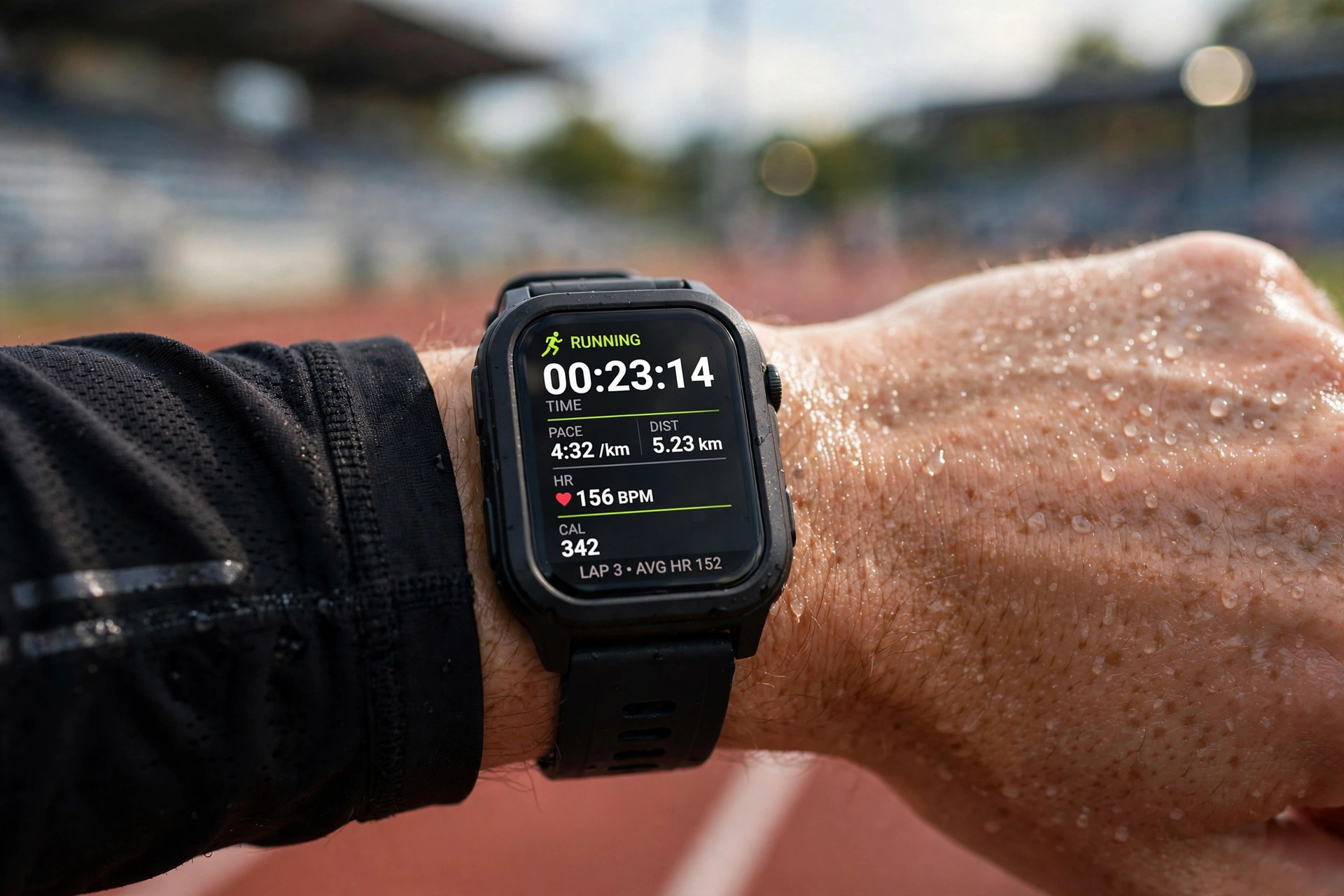
Stick with a smartwatch if: you need GPS, notifications, or workout maps — neither of these replaces a watch for workout tracking. Many serious users actually pair one of these with a GPS watch: ring or band for recovery, watch for workouts.
Frequently asked questions
Do I need the Oura membership?
Technically no, but realistically yes. Without it you get basic scores; the detailed sleep analysis, long-term trends, and readiness insights that make Oura worth buying live behind the membership (about $72/year after an initial trial period). Factor it into the price.
Can I wear Oura or Whoop with my Apple Watch?
Yes, and many people do. The ring or band handles sleep and recovery while the watch handles workouts, GPS, and notifications. Just be aware of double-counting activity if you sync everything to Apple Health — pick one as the source of truth for workouts.
Which is better for weightlifting vs. cardio?
Whoop's strain score handles both, and reviewers note it's particularly good at capturing cardiovascular load from running, cycling, and HIIT. For lifting, no wrist or finger sensor is perfect — Whoop's strain from a lifting session is an estimate. Oura auto-detects workouts but is less of a training tool overall.
Is Whoop worth it as a gift?
Honestly, it's awkward — you're giving someone a recurring bill. The 1-year membership is the giftable version: a full year of Whoop with no ongoing commitment from you. If the recipient loves it, renewing is their call — and by then they'll know whether it's worth it.